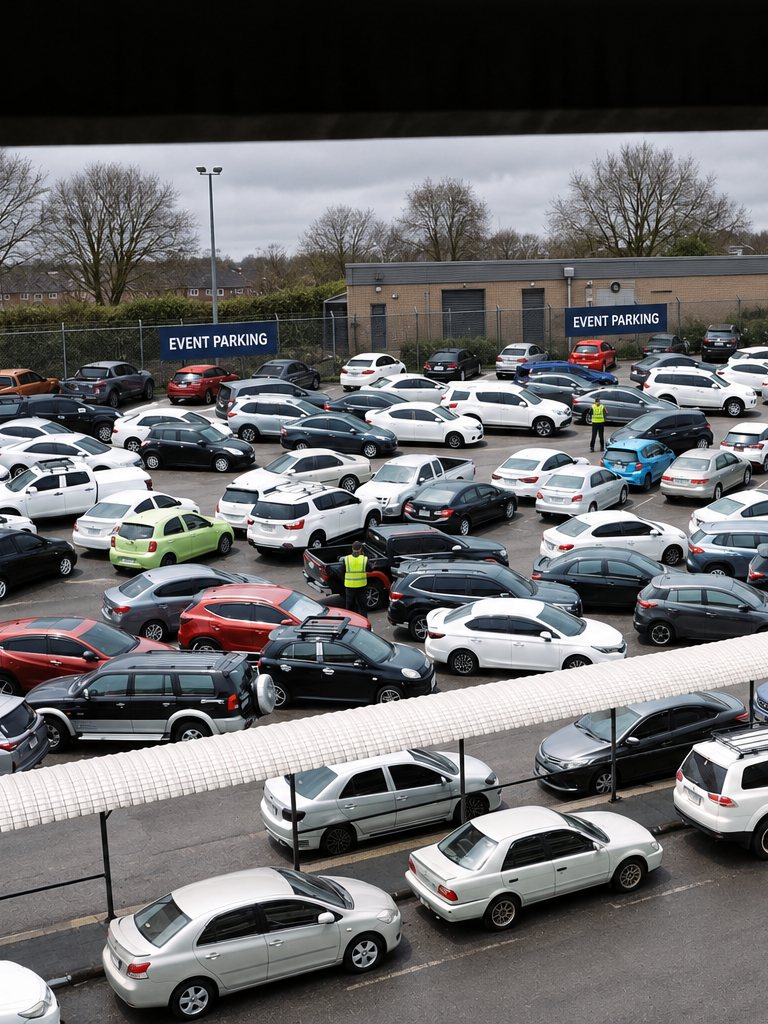
Mobile ANPR.
Mobile ANPR reads number plates on the move, from phones and from a kit on any vehicle, and checks every one against your lists on the device. The person who is there gets the alert and makes the call. Your organisation keeps the rules, the oversight and the data, whatever systems it runs.
How it works
The work happens on the device, in the hands of the person who is there.
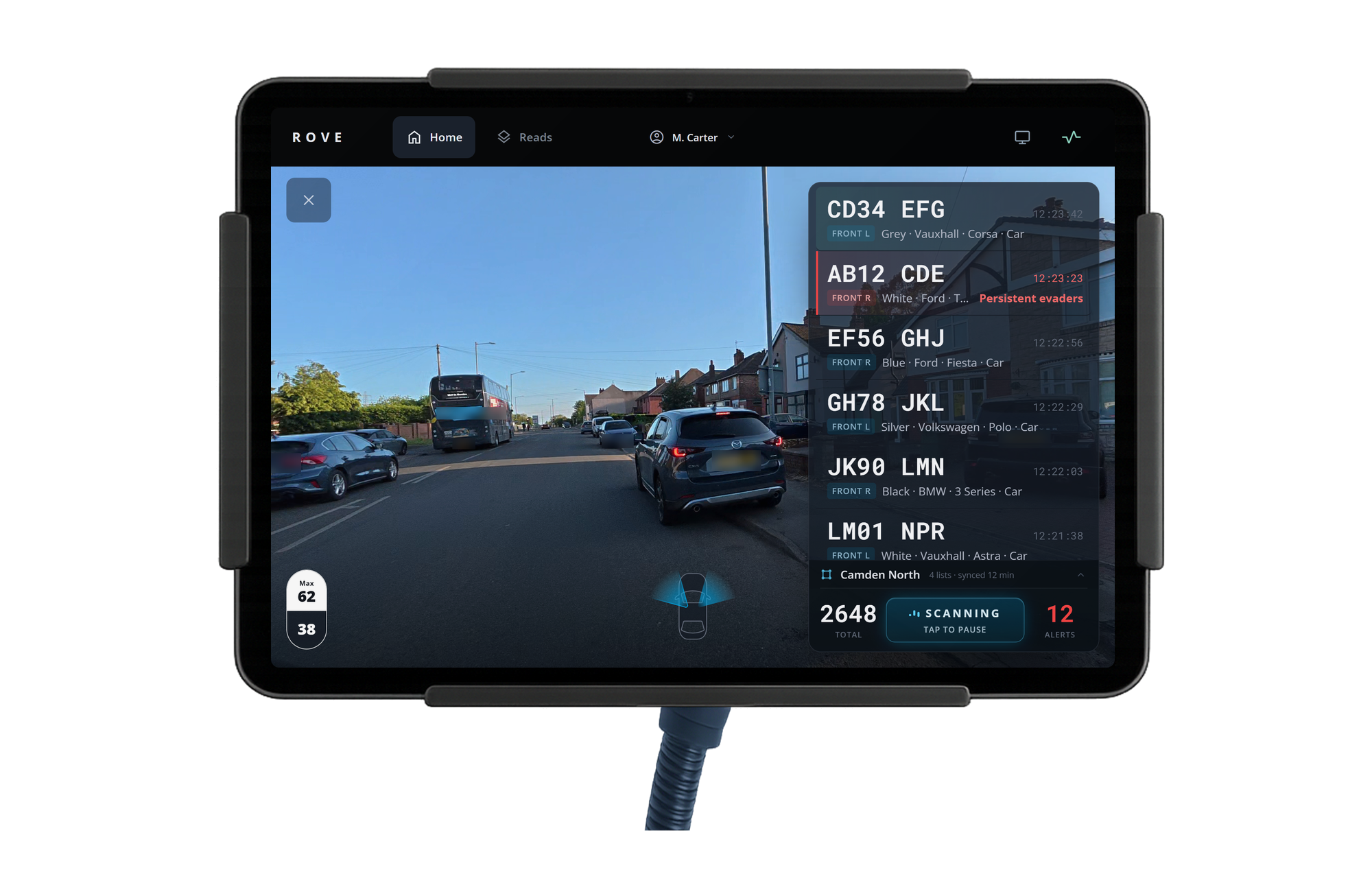
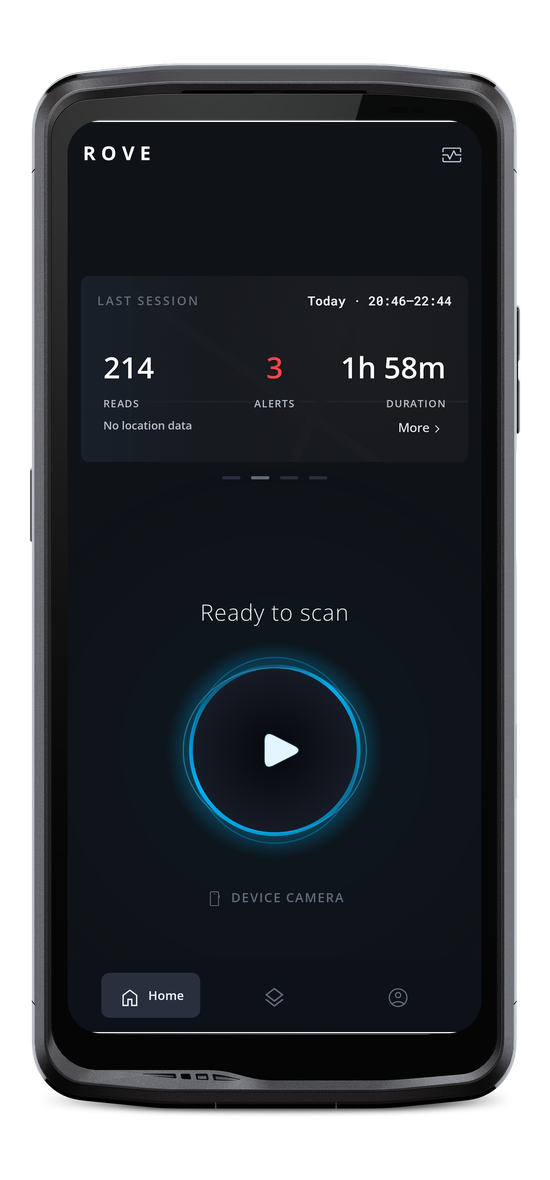
The phone or the vehicle kit reads the plate, identifies the vehicle and checks it against your lists itself, with no image sent anywhere to be read. Recognition runs at the same quality with a signal or without one: nothing is traded down to work offline.
The alert goes to the person who read the plate, with the vehicle and the list it is on, and what happens next is their call. Your lists, up to 8 million records, are synced to the device, so the alert never waits on a connection: about 0.2 seconds from read to alert.
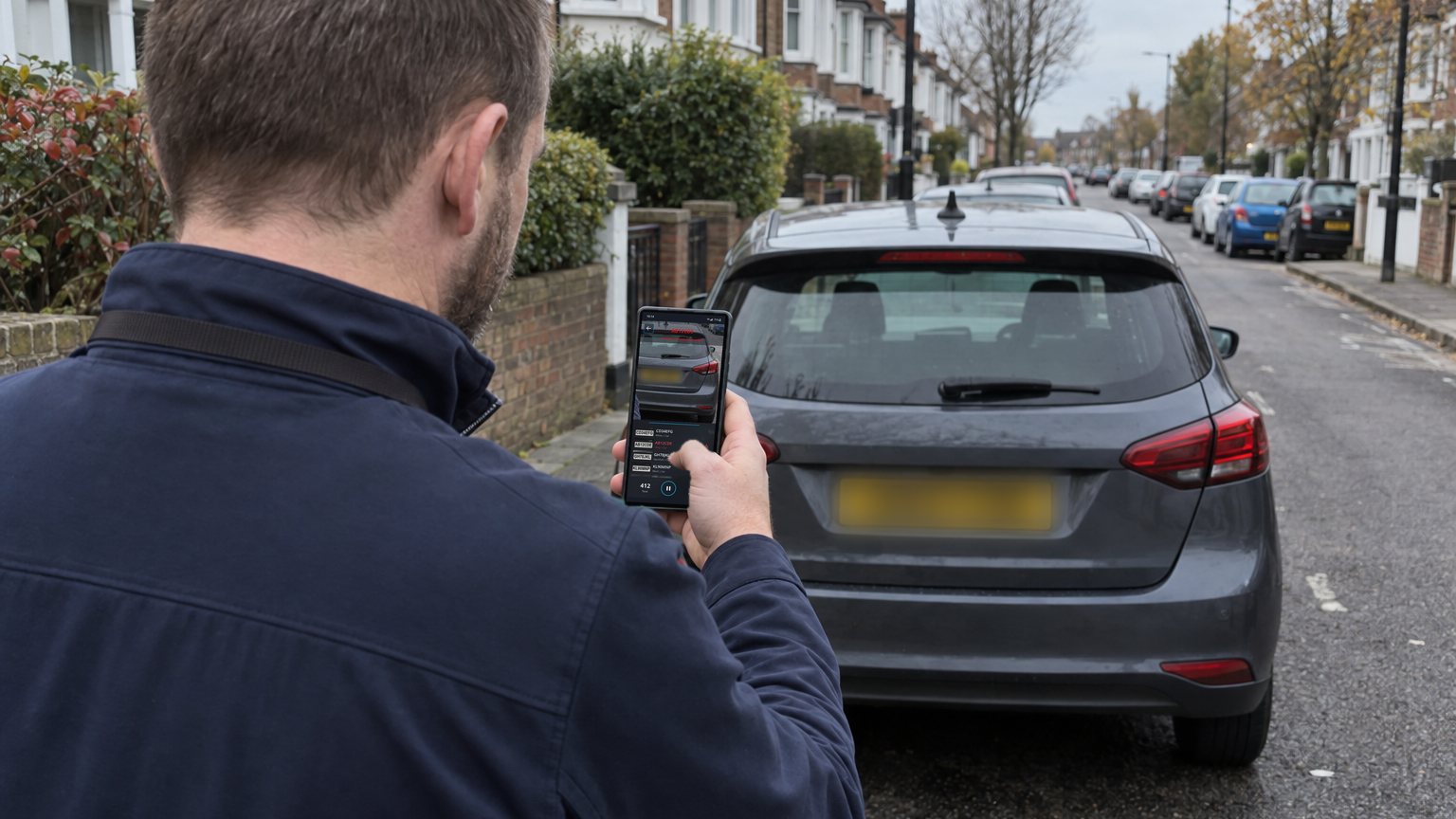
What a read returns
Every read carries the context to check it.
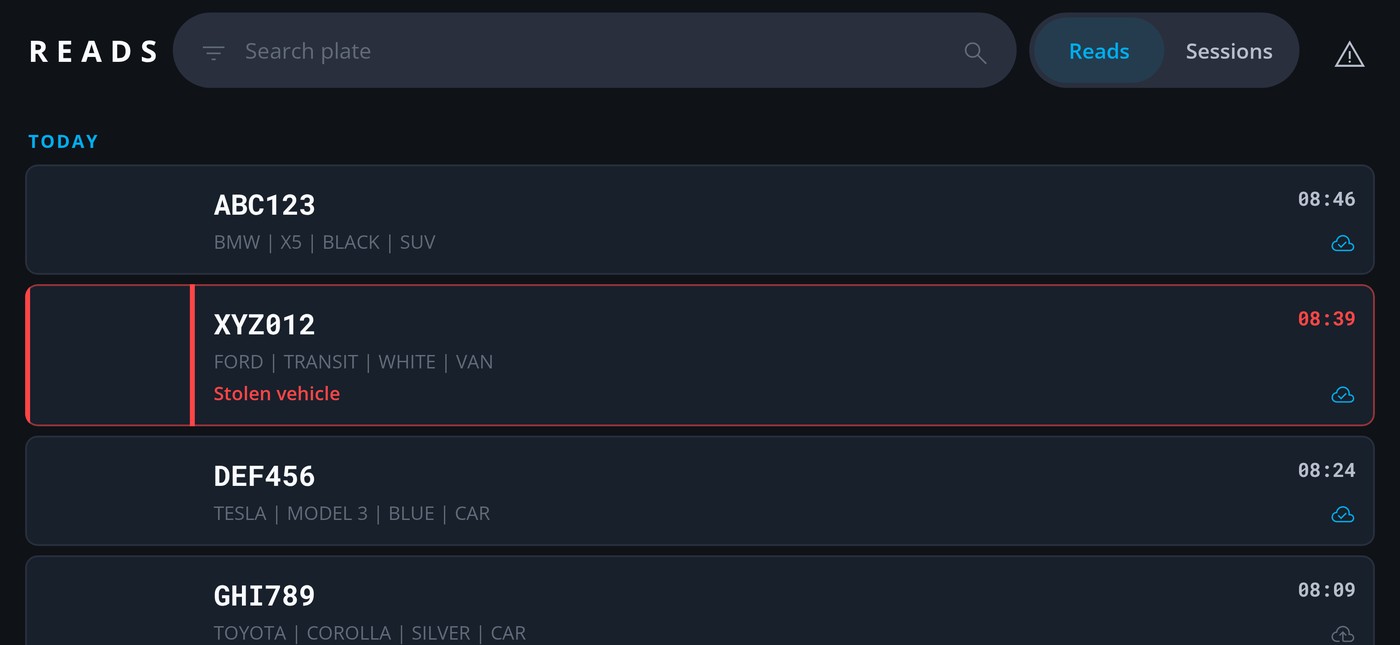
A read is the vehicle as it was seen, not a string of characters: its pictures, where and when it was seen, and the lists it matched. Whoever read it can compare the plate with the car before anyone is penalised.
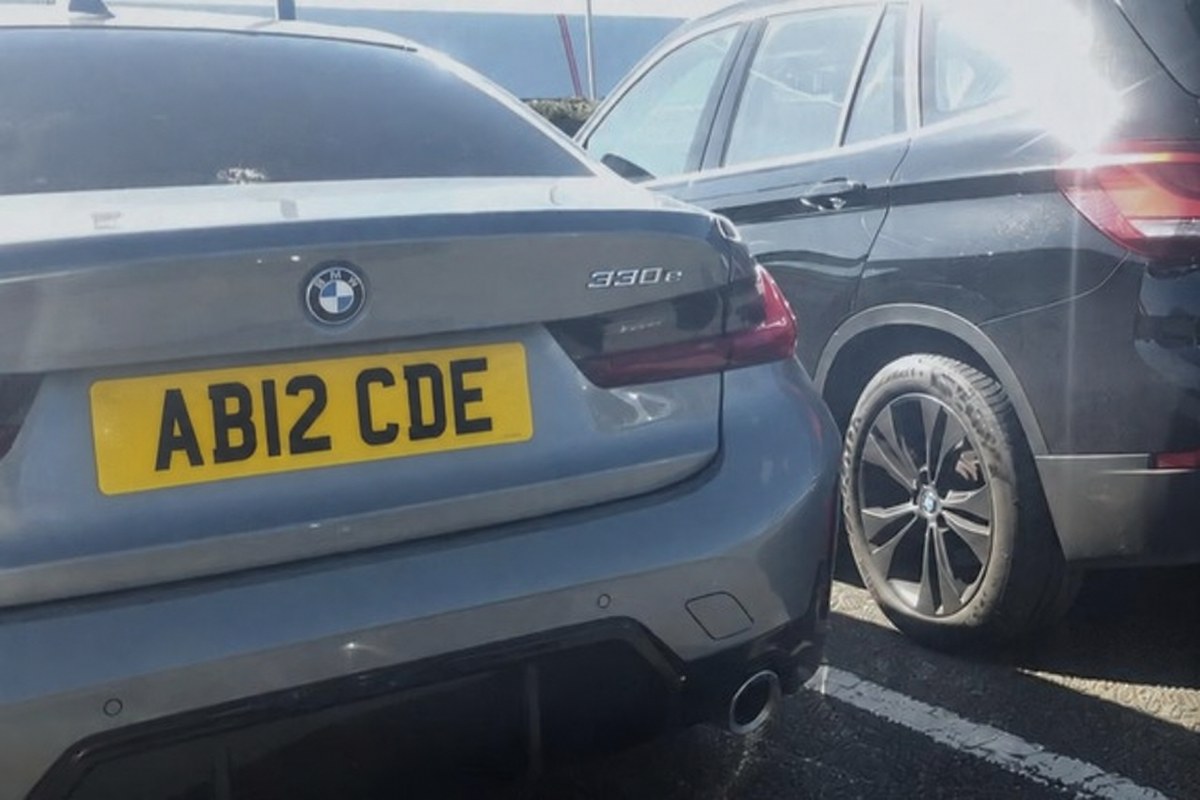
Recognised on the device
- Plate
- Make and model
- Colour
- Type
- Global coverage


Best-in-class recognition by
Matched on the device
- Hotlists
- Approved lists
- Zones
- Rules
- Location

Cameras
Activate the whole frontline.
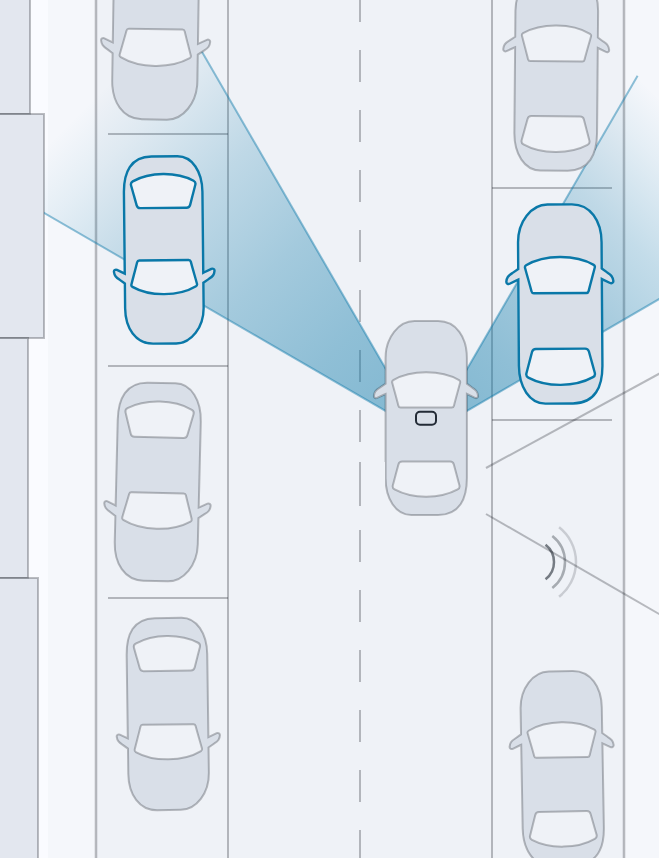
Visual AI can only read what a camera gives it, so the camera has to be wherever your team is. On a phone, AutoMotion sets the camera for every read. A kit puts purpose-built cameras on any car in minutes. Either way the reading runs in the app, so your team reads on foot, on two wheels or on the road.
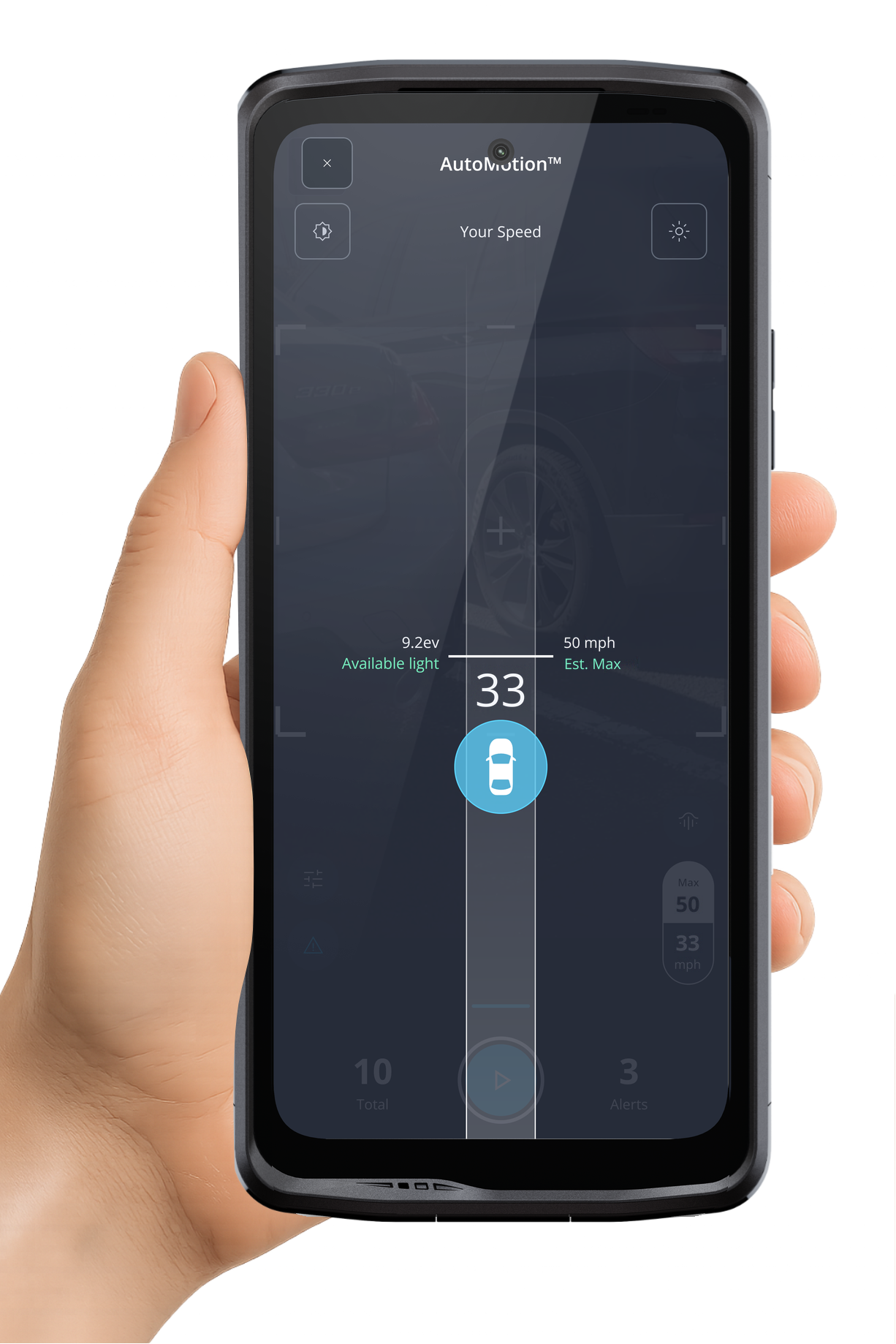
AutoMotion™Smartphone auto exposure for ANPR
How the system fits together
Deep integration with the systems you already run.
Reads can go from the device straight to your own back office, without passing through Trellis, our management console. Lists come in from your systems, through Trellis, and reach the devices that need them on their own.
What you run today stays as it is, and nothing has to move to start.
Your operation
Your back office
Where your records live
↓ Lists↑ Reads, straight from the device
Trellis
Lists, settings, users
↓ Lists and settings↑ Reads
Phones and vehicle kits
Each read path is optional: straight to your back office, to Trellis, or both.
Many ways in and out.
The systems we connect to, by kind. If yours isn't listed, we connect to it the way it already works.
Native integrations
- VMS
- ANPR back office
- Case management
- Parking platforms
- C2
- Others
Open formats
- API
- Webhook
Files and imports
- CSV
- SQL
- FTP
- By hand
Industry standards
- UTMC
Beyond integration
Under your brand, for partners who qualify.
On the phones and in the vehicles, the apps carry your name and your colours, and work alongside your own.
See how we partnerHow sync works
Centrally managed data policies and access.
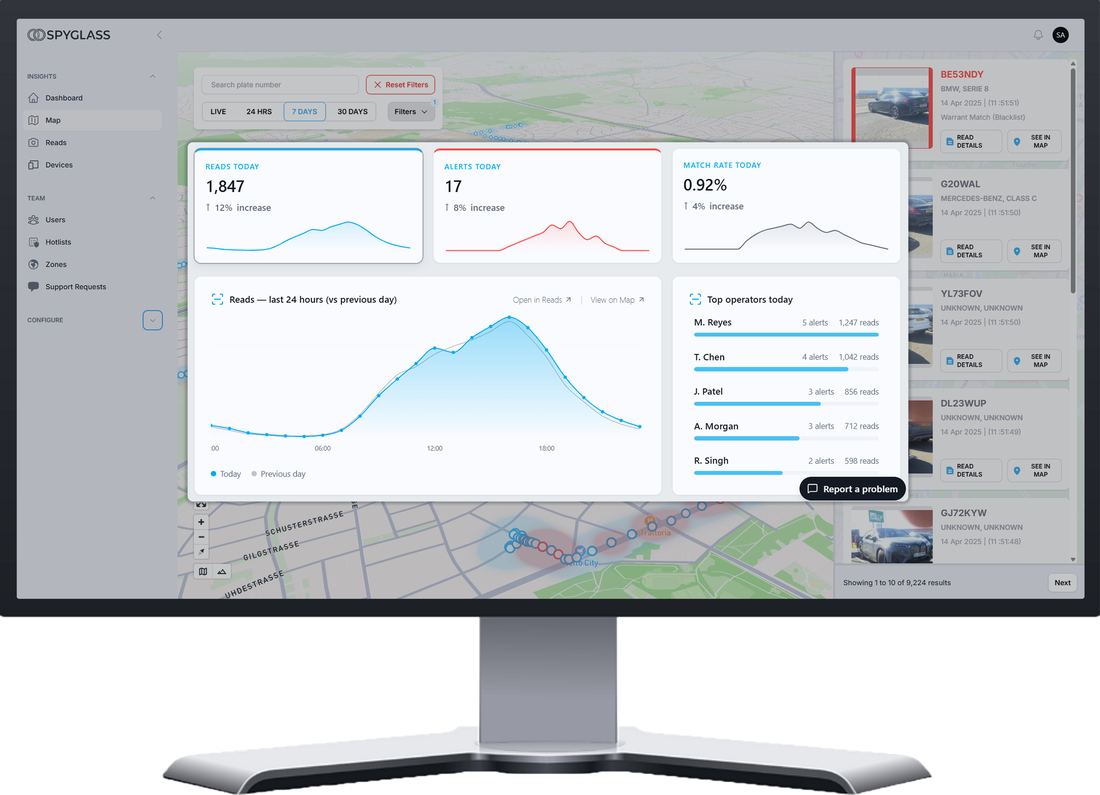
Lists, zones, configurations, policies and permissions are set once in Trellis and reach every device they apply to on their own. Your team has what it needs without asking, and the office can see every device.
A change saved in Trellis reaches each device at its next sync, in practice at once, and a device out of coverage picks it up when it reconnects. Settings can be locked so they stay as the office set them, access follows each person's role, and Trellis logs user activity and administrative changes. Reads come back the other way as they are captured, or once the signal is back, each with its pictures and who took it, when and where.
That record works both ways: the person who made the call can stand behind it, and your organisation can stand behind its people.
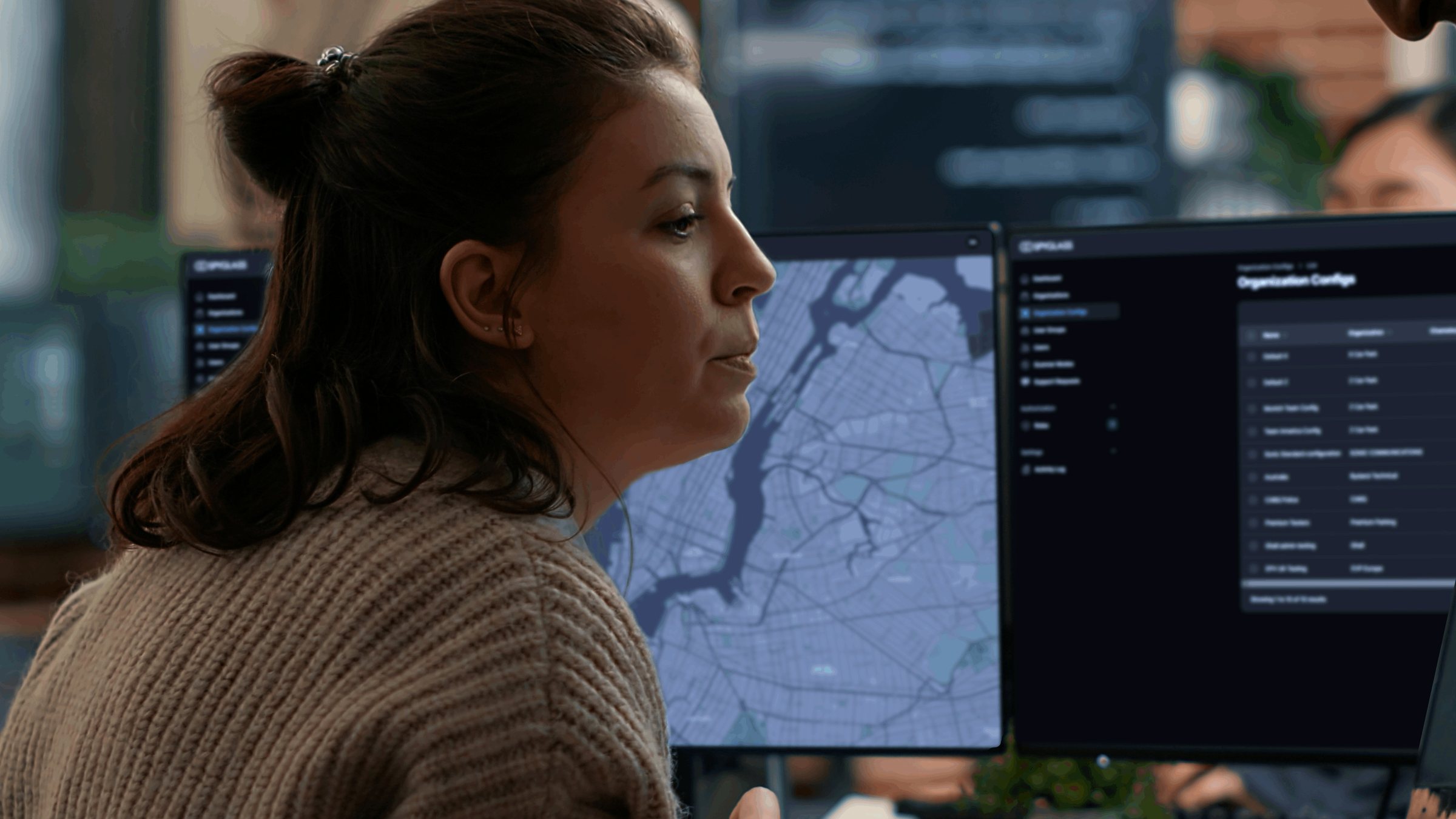
“Our agents work right across the UK and I can see and manage every device from one place.”
Liam DaviesIT Director, High Court Enforcement Group
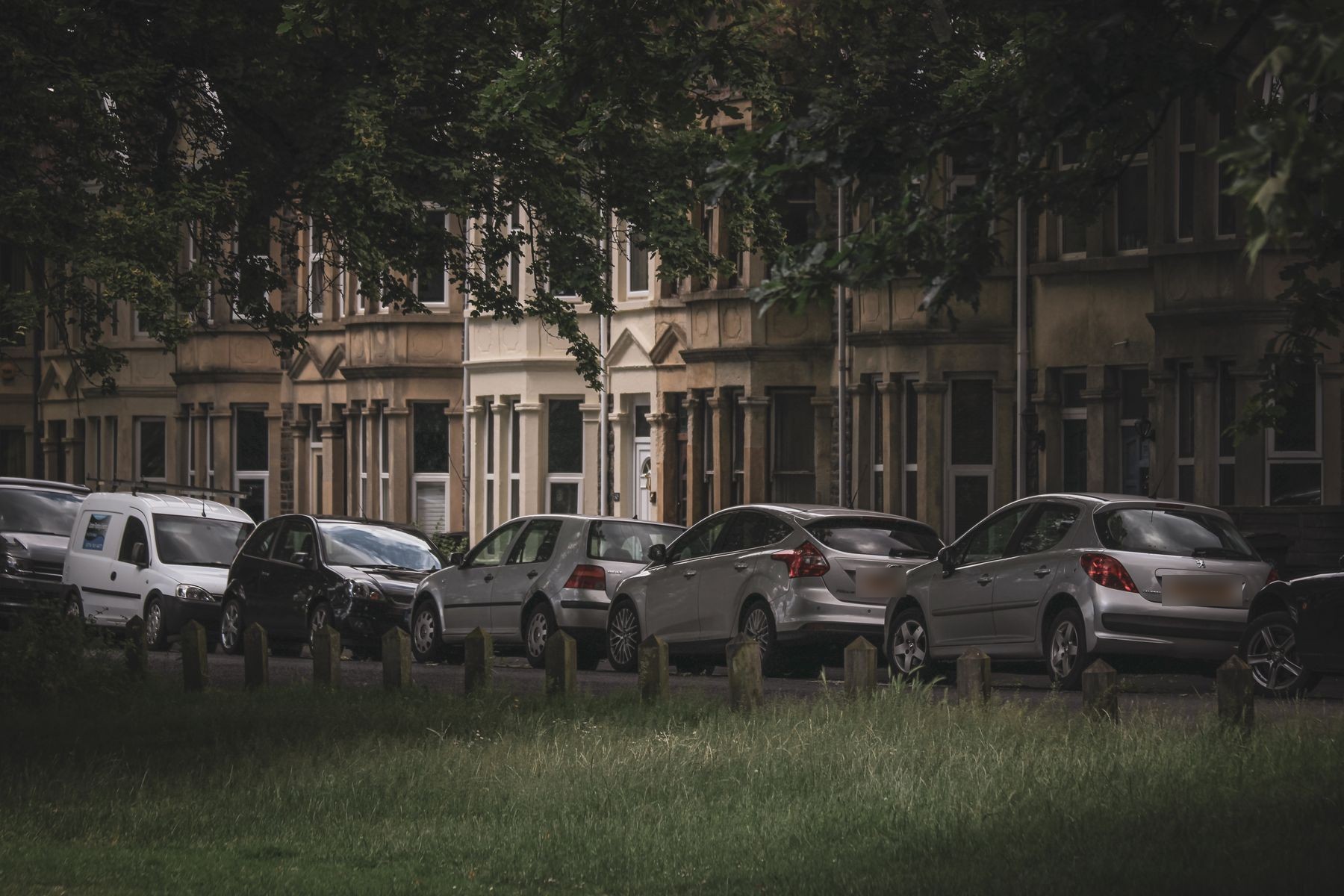
The reads belong to the organisation that took them.
The reads are about members of the public, so they stay with the organisation that answers for them.
- Owned by the organisationSpyglass processes the reads on its behalf and never shares or sells them.
- Kept for as long as it choosesRetention is set centrally, down to clearing every read that matched nothing after 24 hours.
- Hosted in LondonTrellis and the data in it run in AWS London.
- Lost devices wipedA lost device can be locked out and its app data wiped from the office.